
10 Things I Wish I Knew Before My First Triathlon Race
Hard-earned wisdom. Light-hearted delivery. Zero judgment.
So you signed up for a triathlon. Maybe a friend dared you. Maybe you watched an Ironman broadcast at 2am and thought, “I could do that.” Maybe you just really needed a reason to buy a new bike. Whatever brought you here, welcome. You are about to embark on one of the most rewarding, occasionally baffling, and thoroughly addictive experiences of your athletic life. Here are ten things we desperately wish someone had told us before we toed that first start line.
👑 1. The Swim Is the Shortest Leg — But It Will Scare You the Most
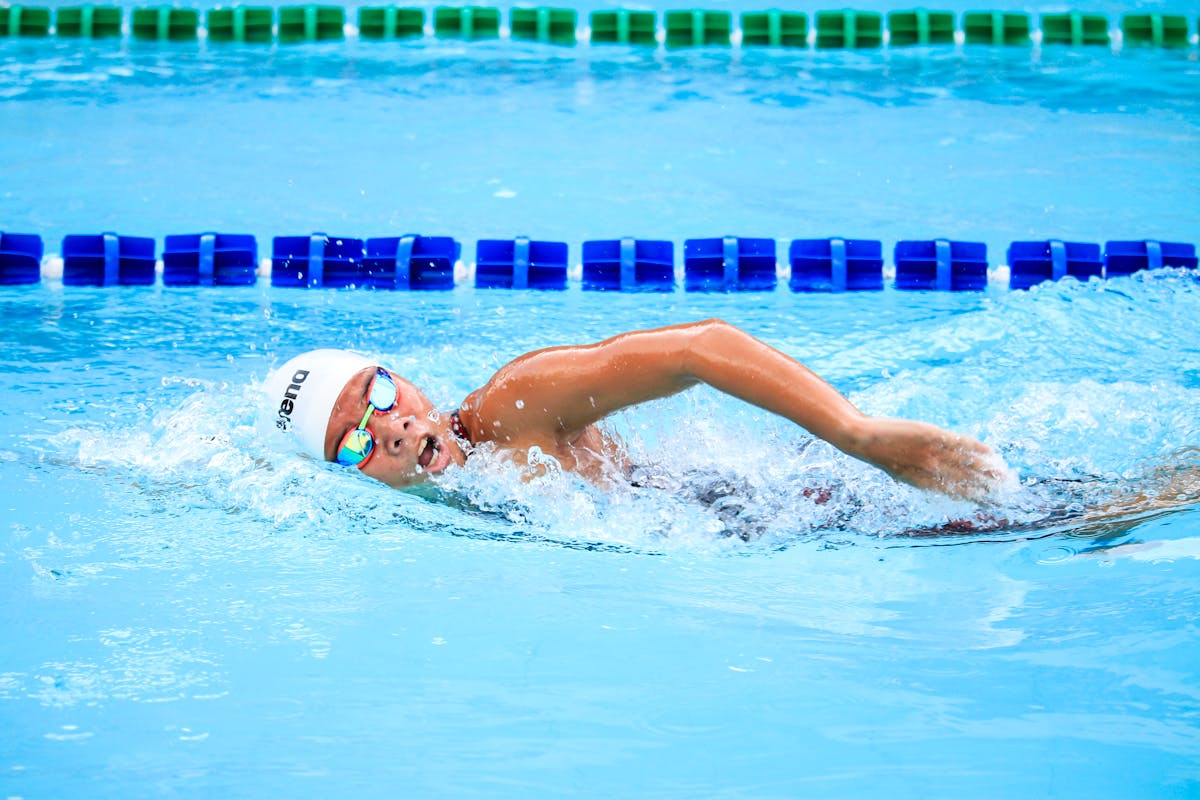
Open-water swimming is nothing like laps in a pool. There are no lane ropes, no black line to follow, no wall to grab when someone kicks you in the face. And yes, someone will kick you in the face. The mass swim start — where hundreds of arms and legs churn the water into a washing machine on the delicate cycle — is one of triathlon’s great rites of passage. The fix? Practice open water before race day. Seed yourself toward the outside of the start pack. Start easy, find your rhythm, and remember: panic is just excitement that forgot to breathe. Sighting (lifting your head to navigate) is a skill — practice it, or you will swim 1.9km to complete a 1.5km course.
🚲 2. Transition Is the Fourth Discipline (and You Are Probably Not Practising It)
T1 and T2 — the transitions from swim to bike and bike to run — are not just “the bits in between.” They are timed. They count. And they are where races are quietly lost by people fumbling with a wetsuit zipper while making sounds you would not want your children to hear. Lay your gear out in a logical order before race day, and actually practice the sequence at home. Helmet goes on before you touch the bike. Helmet comes off only after the bike is racked. Get this wrong and you will receive a penalty — and the judgmental stare of every volunteer within a 50-metre radius.
🏑 3. Never Try Anything New on Race Day
This rule sounds obvious until race week, when suddenly that new energy gel flavour at the expo looks amazing and those snazzy new tri shoes are calling your name. Resist. New gear on race day is a gamble, and the house always wins. New shoes cause blisters. New nutrition causes stomach issues at kilometre 8 of the run, in places far from a toilet. Wear what you trained in. Eat what you trained with. Your gut is not a test lab — at least not on race morning.
⚡ 4. You Will Go Out Too Fast. Everyone Does.
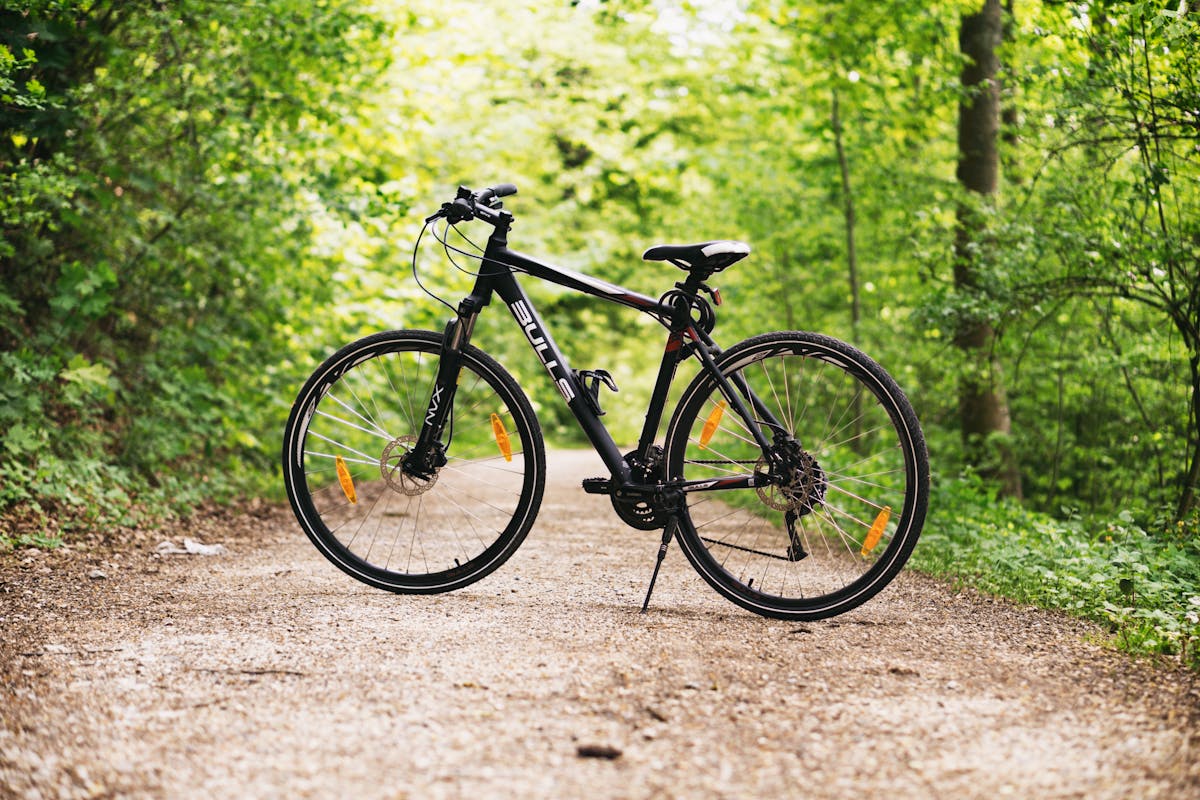
Race day adrenaline is a powerful and treacherous drug. The gun goes off, the crowd cheers, you feel like an Olympian, and you immediately swim or bike at a pace that is entirely unsustainable. This is called “going out too fast” and it is the most common mistake in triathlon. The penalty is paid on the run, when your legs send a strongly worded letter to your brain that reads: “You had one job.” Stick to your training pace, especially in the first half of each leg. Negative splitting — going faster in the second half than the first — is the goal. Suffering quietly past people who sprinted past you at the start is one of triathlon’s great silent pleasures.
🌄 5. Bricks Are Your Best Friend (Even Though They Are Terrible)
A “brick” workout is when you bike and then immediately run. They are called bricks because that is what your legs feel like for the first few minutes off the bike — heavy, uncooperative, and vaguely offended by the whole situation. This sensation is real, and it can be shocking on race day if you have never experienced it. The cure is simple: do brick workouts in training. Run off the bike regularly. Your body will learn to adapt. The “brick legs” feeling still shows up, but it fades faster and you stop making the face that frightens other athletes on the course.
🍗 6. Nutrition and Hydration Are Not Optional
You are exercising for anywhere from one to seventeen hours. Your body will require fuel. This is non-negotiable, and yet an astonishing number of first-timers skip nutrition on the bike because they “didn’t feel hungry.” By the time you feel the bonk coming, it has already arrived. Start eating and drinking early on the bike — aim for 60–90g of carbohydrates per hour for longer events — and keep it up on the run. Dehydration and hypoglycaemia are the twin villains of every DNF story ever told. Hydrate like it is your job, because for the duration of that race, it absolutely is.
💧 7. Body Glide Is Not a Luxury. It Is a Necessity.
Chafing. Oh, the chafing. Triathlon involves a wetsuit, a bike kit, salt water, sweat, and hours of movement — a perfect storm for skin irritation in places you would prefer not to discuss. Apply anti-chafe balm generously to your neck (wetsuit rash is legendary), underarms, inner thighs, and anywhere else that has ever rubbed the wrong way. Vaseline, Body Glide, chamois cream — whatever your preference. Your future self, standing in the post-race shower, will thank you profoundly. Your future self standing in the post-race shower without having done this will have some very strong feelings about your past decision-making.
🔍 8. Course Recce Is Time Well Spent
If at all possible, preview the race course before race day. Ride the bike route. Run the run course. Swim the swim venue if it is open. Knowing what is coming — that brutal climb at kilometre 35, the tight turn near the turnaround buoy, the deceptive downhill at the start of the run that will wreck your quads if you attack it too early — is an enormous tactical and psychological advantage. Race-day surprises are great at birthday parties. They are considerably less great when you are already at maximum effort and suddenly discover the course has an extra hill nobody mentioned.
😴 9. Taper Week Will Make You Feel Like You Are Dying (You Are Not)
In the week before your race, your training volume drops sharply. This is called tapering, and it is scientifically proven to make athletes feel sluggish, anxious, heavy-legged, and convinced they have somehow lost all their fitness overnight. Every bump becomes an injury. Every twinge becomes a crisis. Every extra hour of sleep makes you feel mysteriously worse. This is completely normal and universally experienced. It is called “taper madness,” and the appropriate treatment is trust: trust your training, rest your body, stay off your feet, and absolutely do not decide to do an extra long ride “just to check” you still have your fitness. You do. Relax.
🏆 10. The Finish Line Will Change You
We are not being dramatic. Ask anyone who has crossed a triathlon finish line — even a humble sprint — and they will tell you something shifted. Maybe it is the proof that you did something you thought was impossible. Maybe it is the community: thousands of strangers cheering for you specifically, by name, as if you were winning the whole thing. Maybe it is just the medal and the free banana at the finish chute. Whatever it is, it gets under your skin. Within about 48 hours of finishing your first race, before the soreness has even peaked, you will almost certainly be looking up your next one. We warned you. You signed up anyway. And honestly? That is exactly why you are going to be a triathlete for life.
The Bottom Line
Your first triathlon is going to be imperfect, unpredictable, and one of the best things you have ever done. You will make mistakes — everyone does. The difference between a good race and a great experience is preparation, and the difference between a hard day and a disaster is usually a gel you forgot to eat at kilometre 40. Learn the lessons, respect the distances, and never, ever underestimate the power of a well-executed transition. Now go out there and earn your finish line. We’ll be cheering for you.